If you’re 55 or older and notice that conversations feel harder to follow, especially in restaurants, family gatherings, or on the phone you’re not alone. Hearing changes can happen gradually, and many people adapt by turning up the TV or asking others to repeat themselves. The problem is that untreated hearing loss can quietly shrink your world.
The good news: there are practical steps you can take right now to protect your hearing, improve clarity, and get more benefit from hearing aids if you already wear them. Here are 10 smart, realistic ways to support better hearing in 2026.
1. Schedule a comprehensive hearing evaluation
A professional hearing test is the starting point for everything else. It doesn’t just measure how loud sounds need to be, it helps identify which pitches you’re missing and how well you understand speech.
For adults 55+, an annual check is a great habit, especially if you already wear hearing aids or suspect changes. Early detection gives you more options and helps you avoid months (or years) of unnecessary frustration.
2. Treat hearing aids like medical devices not accessories
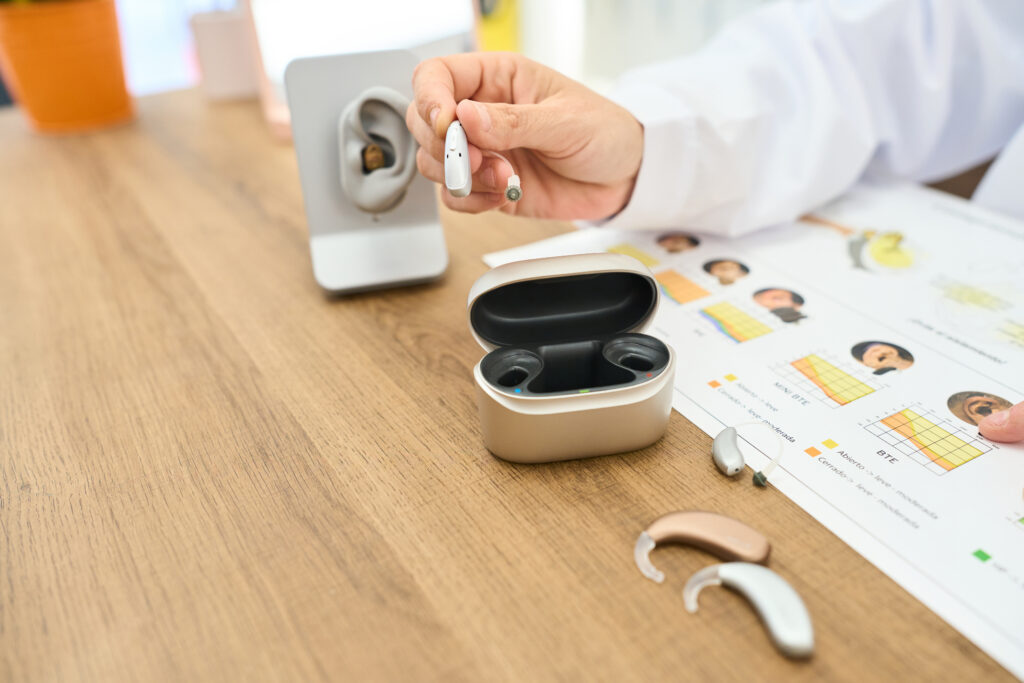
Hearing aids work best when they’re fitted and adjusted to your specific hearing profile. If you bought devices years ago, inherited them, or haven’t had them fine-tuned recently, you may not be getting the clarity you should.
A proper fitting includes:
- Verifying the devices are programmed correctly for your hearing loss
- Adjusting settings for comfort and speech clarity
- Reviewing how to use programs for different environments
- Small programming changes can make a big difference in how natural voices sound.
4. Keep your hearing aids clean and dry
Maintenance matters. A little moisture, wax, or debris can reduce sound quality dramatically and many people assume their hearing is getting worse when the real issue is a clogged microphone or receiver.
Simple maintenance habits:
If your aids sound weak, intermittent, or distorted, don’t wait to bring them in for a quick evaluation.
5. Protect your ears from loud noise (yes, even now)
Noise damage can happen at any age. Power tools, lawn equipment, concerts, sporting events, and even loud movie theaters can contribute to hearing decline.
Use ear protection when needed, and be mindful of headphone volume. A helpful guideline is the 60/60 rule: keep volume under 60% and limit listening to about 60 minutes at a time before taking a break.
Protecting what you have is one of the best investments you can make.
6. Practice listening skills to help your brain keep up
Hearing is a partnership between your ears and your brain. When hearing changes, the brain has to work harder to fill in missing sounds. That’s why listening can feel tiring.
Auditory training (often available through apps or your audiology clinic) can help you:
This is especially helpful when you’re new to hearing aids or adjusting to updated settings.
7. Support hearing with heart-healthy movement
The inner ear depends on healthy circulation. Regular physical activity supports blood flow, which helps nourish the delicate structures involved in hearing.
You don’t need intense workouts. Aim for about 30 minutes most days with activities like walking, swimming, cycling, or gentle yoga. Consistency matters more than intensity.
8. Eat with hearing health in mind
A balanced diet supports circulation, nerve function, and overall wellnessall of which influence hearing.
Consider adding more foods that provide:
If you’re thinking about supplements, check with your physician first especially if you take blood thinners or other prescription medications.
9. Manage tinnitus and stress triggers
Many adults 55+ experience tinnitus (ringing, buzzing, or hissing). Stress can make tinnitus feel louder and more intrusive, and poor sleep can worsen it as well.
Helpful strategies include:
If tinnitus is affecting your quality of life, an audiology visit can help you explore management options.
10. Use hearing-friendly tools for TV, phone, and conversations
Even with great hearing aids, certain situations are challenging. Assistive listening tools can make a big difference and reduce the urge to crank up volume.
Options to ask about include:
These tools help you stay connected without strain.
Ready for clearer hearing in 2026?
Better hearing doesn’t come from one big change, it comes from a few smart steps done consistently: a proper hearing evaluation, the right hearing aid fit, and ongoing maintenance.
Contact our audiology team today to schedule a comprehensive hearing test, a hearing aid check, or a cleaning and adjustment appointment.
Ready to hear the world more clearly? Schedule your hearing check-up today to stay connected to the sounds and people you love.
Or call us at (703) 941-9552 to book your appointment. Take the first step toward a healthier tomorrow right now!